 Skip to content
89% of consumers are more likely to choose a business that replies to all reviews, and businesses that respond to reviews can see up to an 18% revenue uplift compared with those that do not Reply on the Fly. That's why learning how to respond to reviews on Google is not a customer-service nice-to-have, it's a commercial habit that affects trust, enquiries, and the way your business presents in Maps and local search.
For a small business, the practical question isn't whether replies matter. It's how to handle them quickly, consistently, and without turning every review into a time sink. The businesses that win here don't write perfect essays, they build a simple response routine and keep it moving.
Table of Contents
- Why Every Google Review Needs a Response
- The Foundations of Effective Review Responses
- Crafting the Perfect Reply for Any Situation
- Handling Difficult Reviews and Legal Considerations
- How to Scale Your Review Management with VisiLocali
- Your Action Plan for Mastering Google Reviews
Why Every Google Review Needs a Response
89% of consumers are more likely to choose a business that replies to all reviews, and businesses that respond to reviews can see up to an 18% revenue uplift compared with those that do not. That makes review replies part of the sales process, not just reputation management.
A response also acts as a public trust signal in Google Maps and search results. When someone checks your profile, they are not only scanning star ratings, they are also checking whether the owner looks attentive, organised, and safe to deal with. That matters for local service businesses where trust often decides who gets the call.
Practical rule: every unanswered review leaves a public gap. A reply closes that gap and shows future customers that someone is paying attention.
Google Business Profile lets businesses manage customer reviews directly inside the profile, so replying is built into the platform rather than treated as an extra task. That means your replies sit alongside the review itself as part of the buying decision. It is one reason local SEO and reputation management overlap so tightly, especially when you're trying to earn more visibility from Google Maps and the local pack. For the wider local search context, see the practical value of local SEO.
A good reply does more than reassure one customer. It gives every future customer a reason to believe your business is responsive, competent, and worth contacting. If you leave that public moment unanswered, someone else's comment stands alone without context, and that is rarely a good commercial trade.
The Foundations of Effective Review Responses
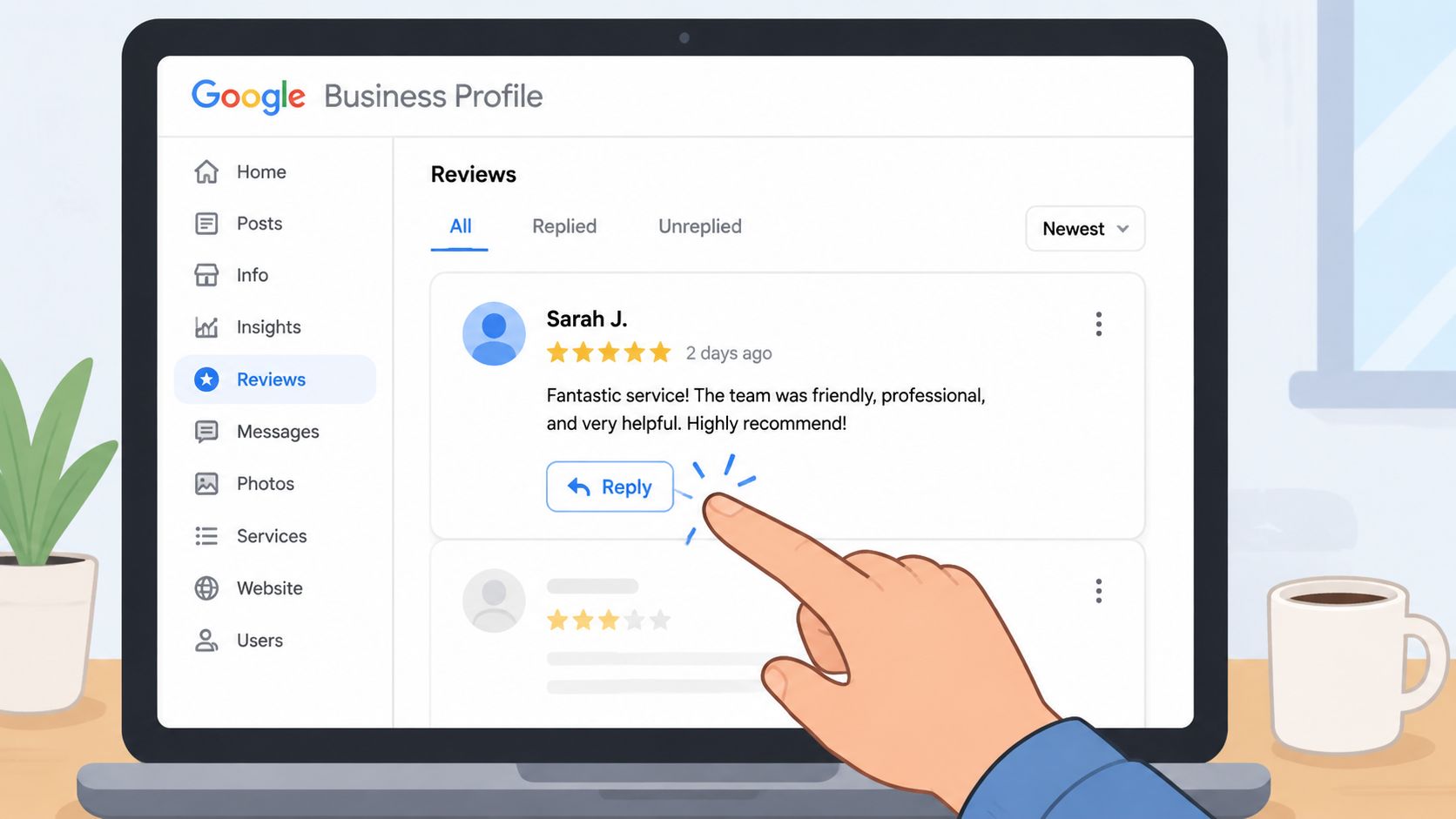
The quickest place to reply is inside your Google Business Profile. Open the profile in Google Search or Google Maps, go to the reviews area, and answer there while the feedback is still fresh and the context is still clear. For a busy small business, that works best as part of a daily check, not something you leave until the week gets quiet.
Speed matters because customers notice whether you show up. Survey data linked from Google Business Profile help shows that many customers expect a response to a negative review within a week, and a meaningful share expects one within a few days. The same guidance also shows that most review readers read the business's response, which means your reply is public content, not private admin work.
What a good response needs
A useful response usually has three traits.
- Prompt: reply while the issue is still current. If you wait too long, you look absent even when the complaint is minor.
- Professional: stay calm, clean, and respectful. The reply should make your business look steady under pressure.
- Personal: refer to the detail the customer mentioned. That shows you read the review instead of pasting a stock line.
For a time-poor owner, the process also needs to be easy to repeat. If you manage reviews through your dashboard, Google Business Profile manager guidance can help you keep the workflow simple without losing track of open responses. A polished reply that arrives late is usually less useful than a clear, human reply sent quickly.
Repeat reviewers need a different level of care. If the same person leaves more than one complaint, consistency matters as much as tone, because the public record will show whether you handled the issue in the same way each time. That is where a short internal checklist helps, especially when you need to answer quickly without sounding automatic.
Practical rule: reply to the feeling behind the review first. The solution can come next, but the customer should feel heard immediately.
Crafting the Perfect Reply for Any Situation
A strong reply starts with the same base pattern, then shifts to match the review type. For positive reviews, thank the customer, echo one detail they mentioned, and make it easy for them to come back. For negative reviews, acknowledge the problem, stay calm, and move the discussion offline before the thread becomes a public argument. For mixed reviews, recognise what went well without glossing over the part that fell short.
Positive reviews
A good positive reply is short, warm, and specific. “Thanks for the kind words” is fine, but it works better when the customer can see that you noticed what they liked.
Good: thank the reviewer and keep it brief.
Better: mention the specific service, product, or staff member they praised.
Best: add a practical next step, such as inviting them back or pointing to a related service.
If someone praises your same-day callout, a stronger reply would thank them by name, mention the same-day response, and invite them to reach out again if they need help later. ReplyBaseHQ guide recommends using the reviewer's first name, referring to one specific detail from their feedback, and replying to positive reviews within 72 hours.
Negative reviews
Negative replies need more discipline. A sincere apology helps when the complaint is valid, but don't rush into a public back-and-forth. The first reply should show that you understand the issue and want to put it right.
Good: acknowledge the problem and apologise if appropriate.
Better: refer to one specific detail from the review so the person knows this is not a copy-and-paste response.
Best: give a direct route to resolve it offline, with a phone number or email address.
ReplyBaseHQ guide recommends replying to negative reviews within 24 hours and using a contact number or email to move heated conversations offline. That keeps the public thread tidy and lowers the chance of unnecessary escalation.
Mixed reviews
Mixed reviews, usually the awkward three-star ones, need balance. Thank the customer for what went well, then address the weaker point without sounding defensive. These replies matter because they show future customers that you can handle nuance.
A simple structure works well. First, recognise the positive part of the experience. Then, address the pain point directly. Finish with a practical invitation to continue the conversation if the customer wants a resolution.
If you need a shorthand for all three situations, use this.
Good replies sound human, better replies sound attentive, and best replies sound attentive without becoming wordy.
That is the difference between a reply people skim and one that supports your reputation.
Handling Difficult Reviews and Legal Considerations
The hardest reviews to answer are the ones that trigger a fast reaction. Fake complaints, repeat negative reviewers, and customers who seem ready for a public dispute all need a calmer response than your first instinct suggests. The goal is to lower the noise and protect the business, not to win a comment thread in front of everyone else.
A practical process starts with a clear response window for negative reviews, then a quick internal fact check, then a short public acknowledgement, and finally a move to private contact so the specific concern can be sorted out away from the public thread Pulsem guidance. That order matters because it keeps the reply focused, avoids unnecessary escalation, and gives you time to check the situation before you write something you may regret.
Fake, malicious, and repeat reviewers
If a review looks wrong, compare it with your records before you reply. A mismatch does not mean the review will disappear, so do not assume a flag will fix it quickly. If Google keeps it live, a calm and factual reply usually protects your reputation better than a defensive one.
Repeat negative reviewers need the same discipline. If someone keeps posting complaints across multiple visits, do not reopen the whole history in public. Acknowledge the latest issue, give them a private contact route, and stop feeding the thread. That approach protects your time as well as your tone, which matters if you are dealing with more than one location or limited staff.
Privacy and policy basics
Never post personal customer information in a public reply. That includes addresses, medical details, account notes, or anything else the customer has not already made public themselves. Even when the review feels unfair, the reply still sits on a public profile and future customers will read it.
Google's review policy guidance also says businesses should ask all customers for reviews equally, avoid review gating, and send requests after the visit rather than while the customer is still on the premises Google review policy guidance. Review gating means filtering out unhappy customers before asking for a review, and it creates a distorted picture of your service. It may look tidy for a while, but it weakens trust and can put your review process on shaky ground.
How to Scale Your Review Management with VisiLocali
Manual replies work when review volume is low. They break down when you're busy, short-staffed, or trying to manage multiple locations. The primary challenge isn't knowing what to say, it's having a repeatable system that gets replies out on time without making them sound robotic.
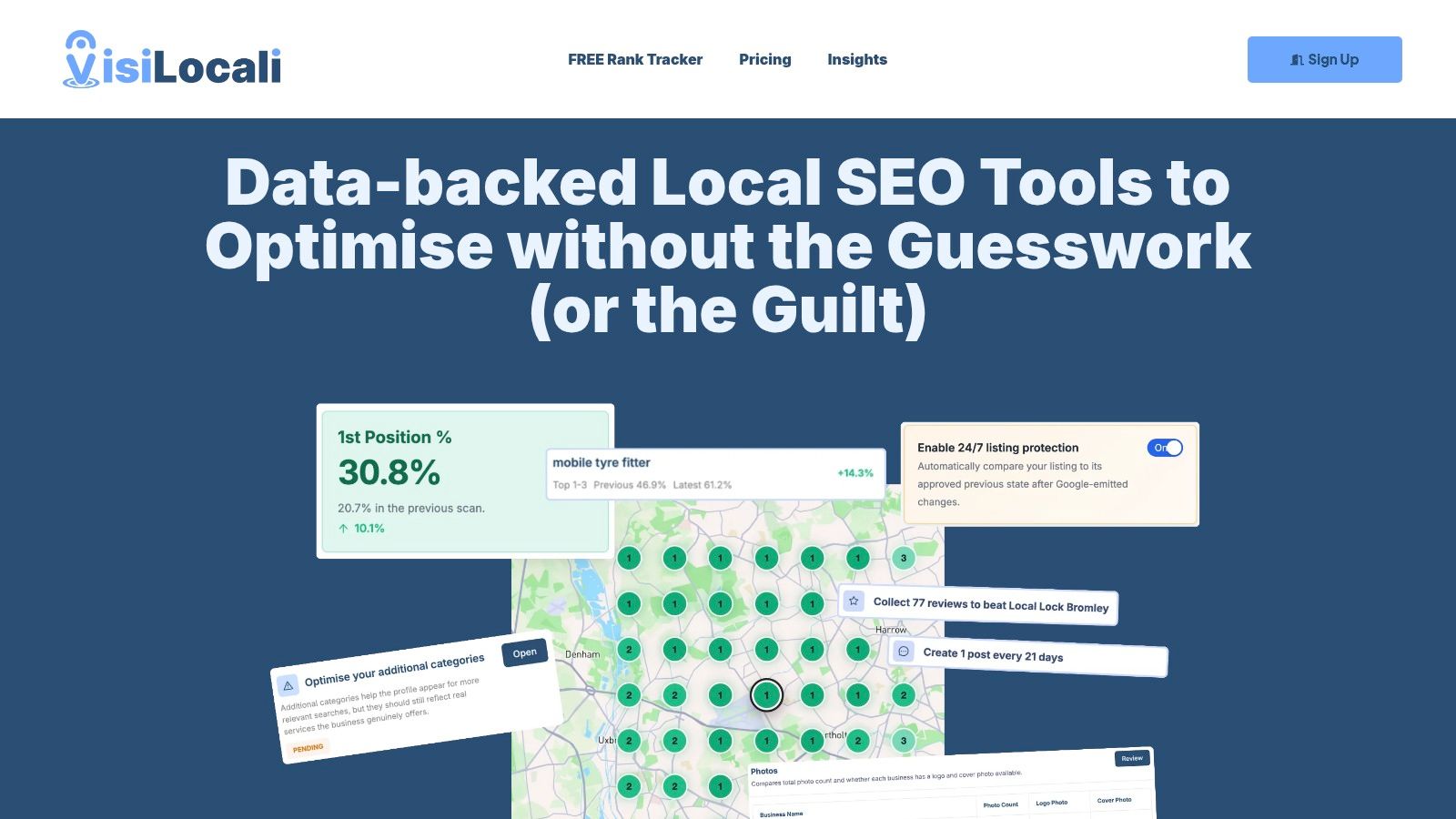
That's where a platform like VisiLocali fits. It brings Google review management into one dashboard, so you're not jumping back and forth between tabs to find the latest comments. The point isn't to replace judgement, it's to make the routine parts of the process faster and easier to keep up with VisiLocali review management.
Where AI helps without flattening the voice
AI is useful when it drafts a first pass from the review text, because that saves time on the repetitive part. You still need to check tone, remove anything too generic, and make sure the reply sounds like your business. The best use of AI is as an assistant, not an autopilot.
A practical workflow looks like this. The system surfaces the review, drafts a response, and highlights the main theme so you can adjust it quickly. That keeps the reply personal while cutting the time spent staring at a blank screen.
The same dashboard can also surface patterns across reviews, which helps you spot recurring praise or complaints faster than doing it manually. That matters because one-off replies are useful, but trend visibility tells you what to fix at source.
For businesses that want a single place to manage the whole process, this is the difference between reacting late and staying on top of it.
Useful rule: automation should handle the first draft, not the final judgement.
Your Action Plan for Mastering Google Reviews
Start with a simple operating rule. Assign one person to check reviews daily, set a response target for negative feedback, and keep a second, lighter target for positive reviews so nothing sits unanswered for long. Consistency matters more than clever wording.
Then tighten the content. Thank positive reviewers properly, mention one specific detail, and don't let your replies drift into generic praise. For negative reviews, stay brief, acknowledge the issue, and move the conversation offline before the thread turns into a public dispute.
Keep the policy side clean as well. Ask all customers fairly, avoid review gating, and never reveal private information in a public reply. If a review looks fake or malicious, verify the facts first, then decide whether to flag it and how to respond if it stays live.
Finally, choose the right level of support for your workload. If you can handle replies manually, keep the process simple and disciplined. If review management is taking too much time, use a tool that centralises the work and drafts replies quickly so you can stay responsive without losing the personal touch.
The next step is straightforward. Open your Google Business Profile today, answer the oldest unanswered review first, and build your reply routine from there.
