Insights - VisiLocali

how to use keyword variations naturally for local seo
Nick @ VisiLocali

How to Use Keyword Variations Naturally for Local SEO

Most local businesses already know the basics of SEO: pick a keyword, put it on your page, hope for the best. But the businesses that actually rank well in Google Maps and local search results have figured out something more nuanced. They use keyword variations naturally for local SEO, weaving
Read More
how to use long-tail keywords for local seo
Nick @ VisiLocali

How to Use Long-Tail Keywords for Local SEO

Most local businesses compete for the same handful of broad keywords: “plumber in Leeds,” “dentist Manchester,” “estate agent Bristol.” The problem? So does every other business in the area. The real opportunities sit in the longer, more specific phrases that potential customers actually type (or speak) into Google when they’re

Read More
how to use service and location keywords for local seo
Nick @ VisiLocali

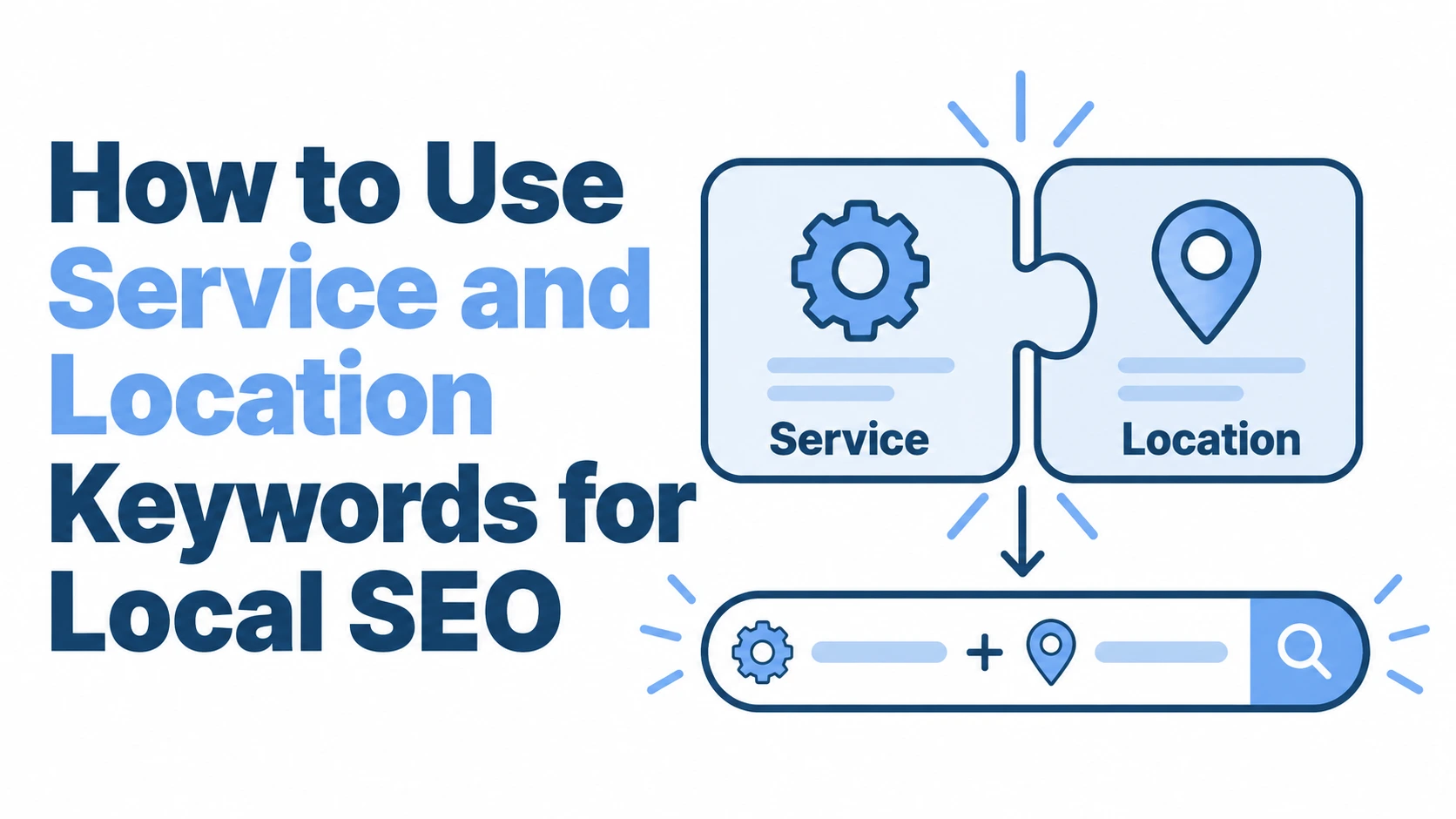
How to Use Service and Location Keywords for Local SEO

Most local businesses already know they need to show up when someone searches for their services nearby. The tricky part is figuring out which specific words and phrases to target, where to place them, and how to avoid the kind of keyword stuffing that Google penalises. Getting the mix of

Read More
how to add keywords without stuffing content for local seo
Nick @ VisiLocali

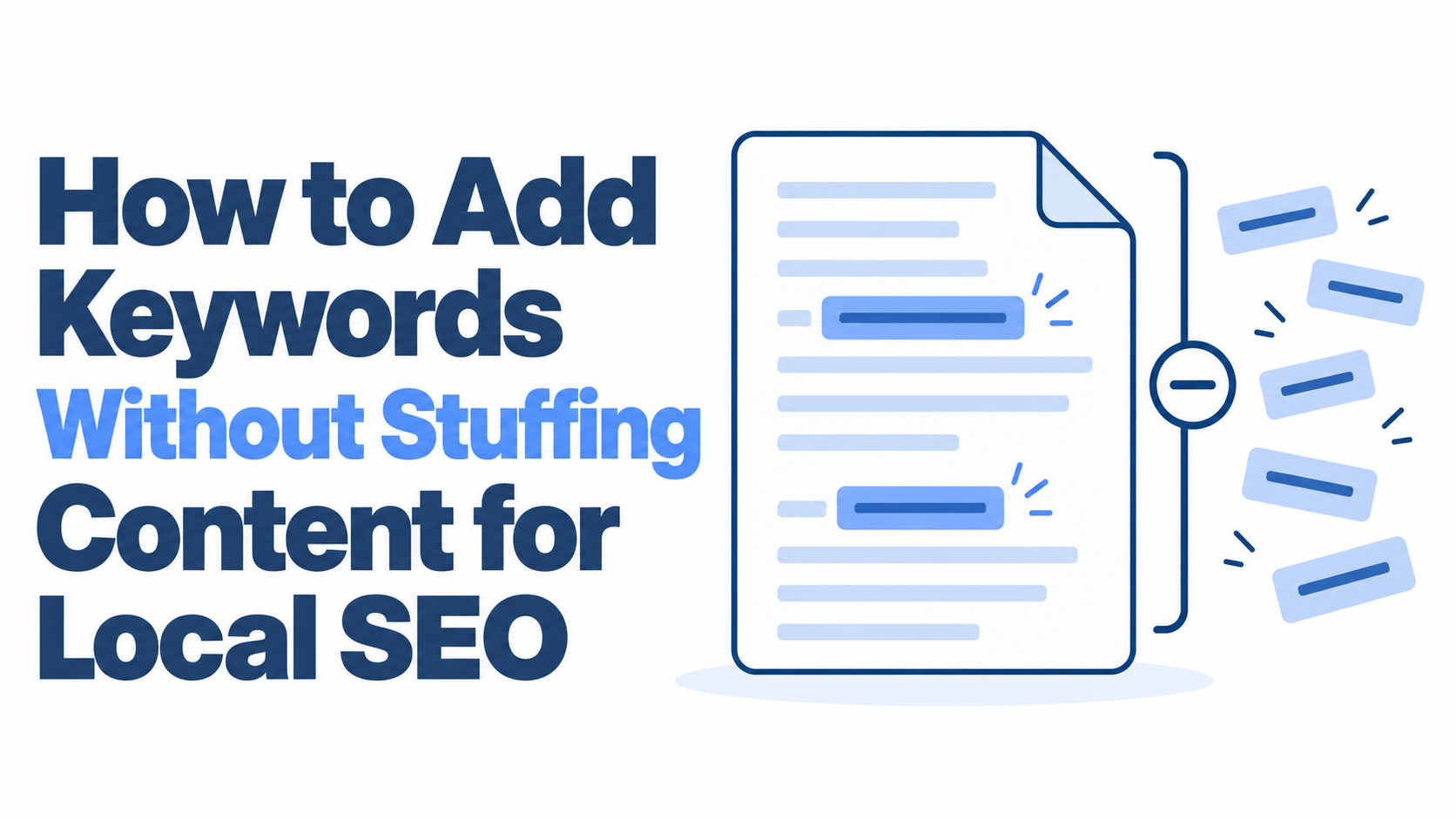
How to Add Keywords Without Stuffing Content for Local SEO

Most local businesses know they need keywords to show up in Google Maps and local search results. The tricky part is figuring out how to add those keywords without stuffing content full of awkward, repetitive phrases that read like they were written for a robot. Google’s algorithms in 2026 are

Read More
how to use search intent to improve pages for local seo
Nick @ VisiLocali

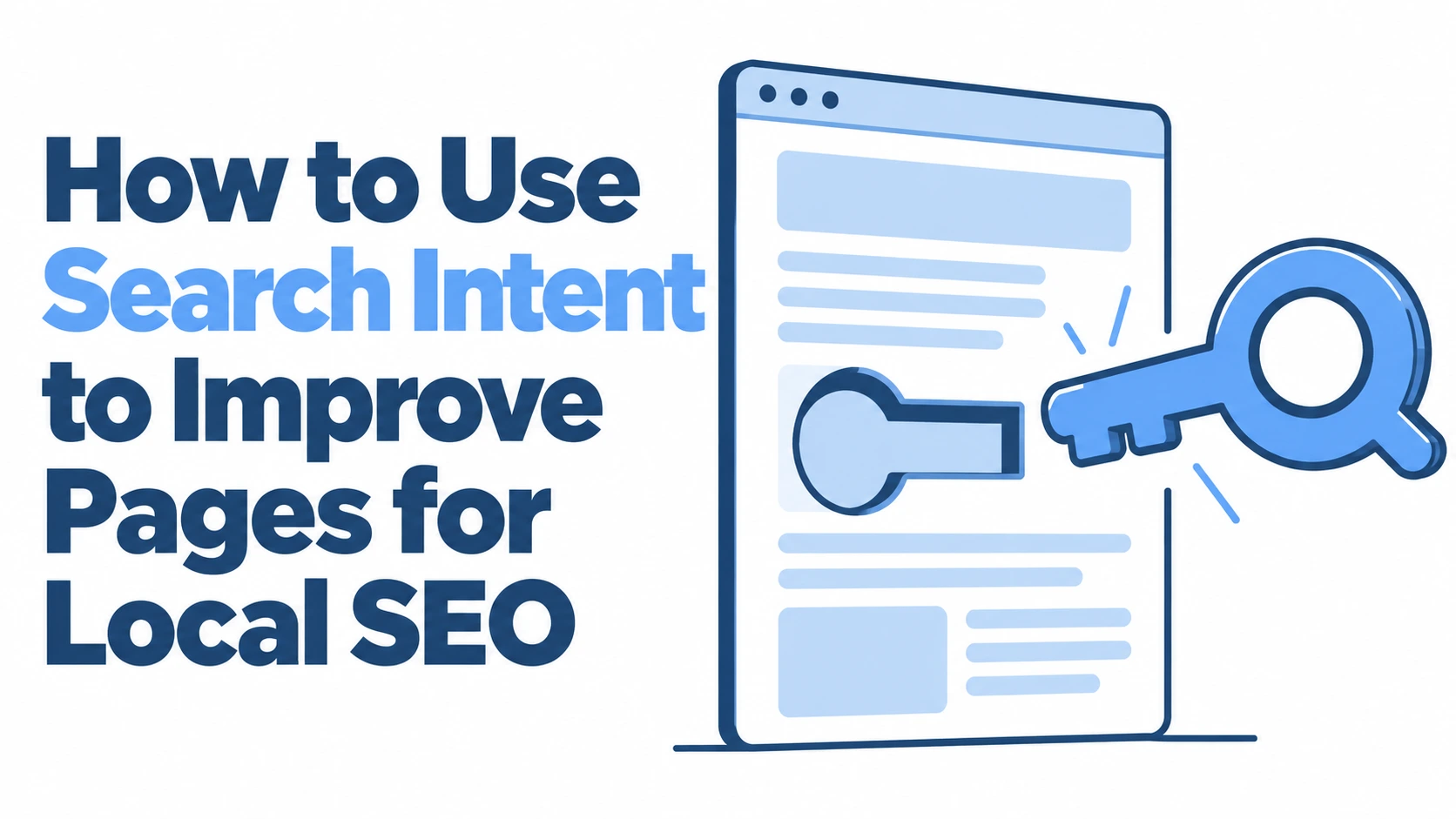
How to Use Search Intent to Improve Pages for Local SEO

Every local business owner has typed something into Google and noticed how wildly different the results look depending on the phrasing. “Emergency plumber Bristol” pulls up a map pack full of businesses ready to take your call. “How to fix a leaking tap” returns a wall of blog posts and

Read More
how to optimise a page for multiple keywords for local seo
Nick @ VisiLocali

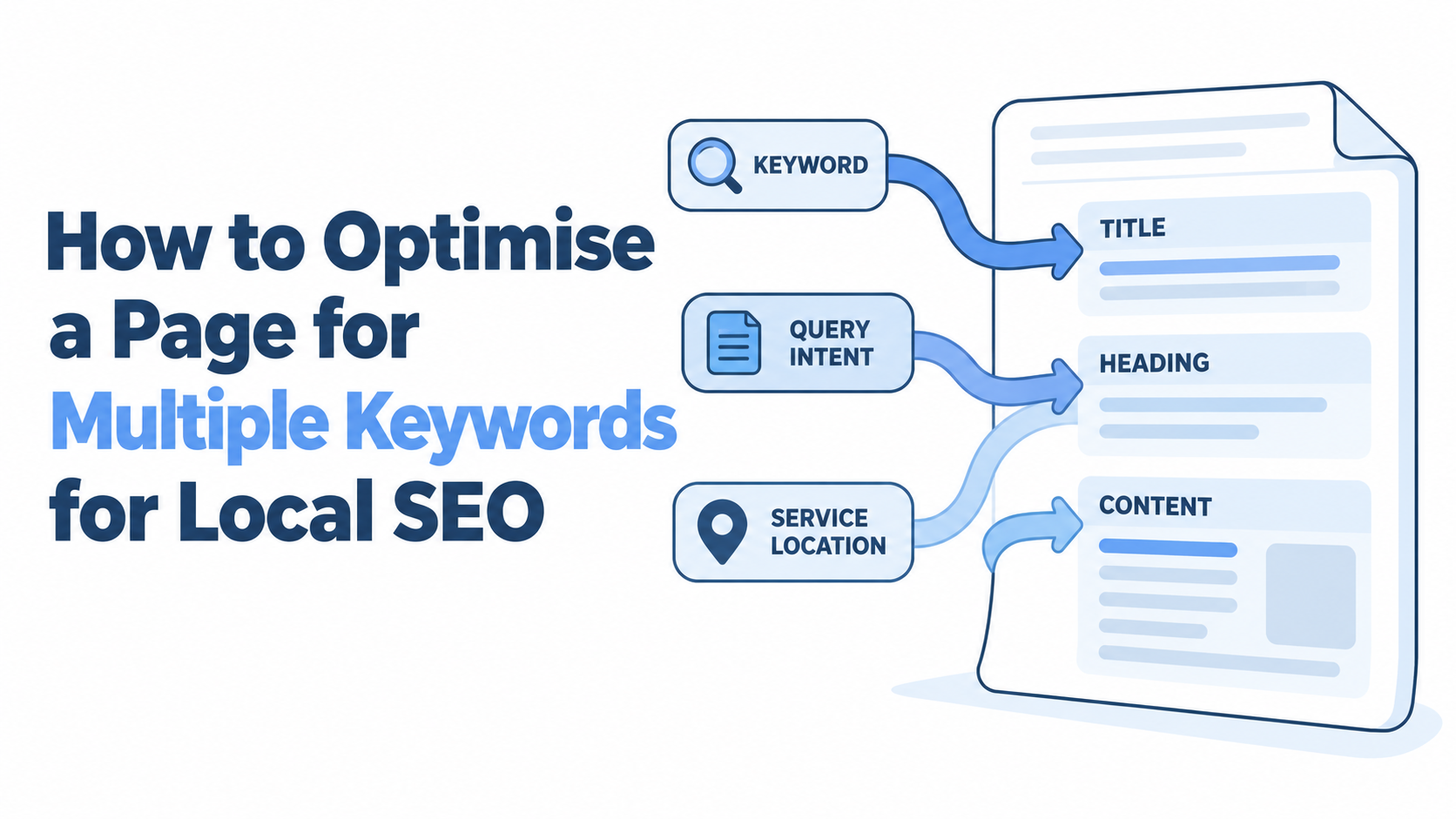
How to Optimise a Page for Multiple Keywords for Local SEO

Most local businesses don’t rank for just one thing. A plumber in Bristol doesn’t only want to show up for “plumber Bristol”: they want visibility for boiler repairs, emergency callouts, bathroom installations, and a dozen other services across multiple nearby areas. The challenge is figuring out how to optimise a

Read More
how to choose secondary keywords for local seo
Nick @ VisiLocali

How to Choose Secondary Keywords for Local SEO

Most local businesses get their primary keywords right. A plumber in Bristol knows to target “plumber Bristol.” An estate agent in Leeds understands “estate agent Leeds” matters. But the real gains in local search visibility come from the secondary keywords surrounding that primary term: the service variations, neighbourhood-level modifiers, and

Read More
how to choose a primary keyword for a page for local seo
Nick @ VisiLocali

How to Choose a Primary Keyword for a Page for Local SEO

Getting your local SEO right starts with one decision that shapes everything else: picking the right primary keyword for each page on your site. Get it wrong, and you’ll spend months creating content and optimising a Google Business Profile around a term that either nobody searches for or that you’ll

Read More
how to find on-page keywords for local seo
Nick @ VisiLocali

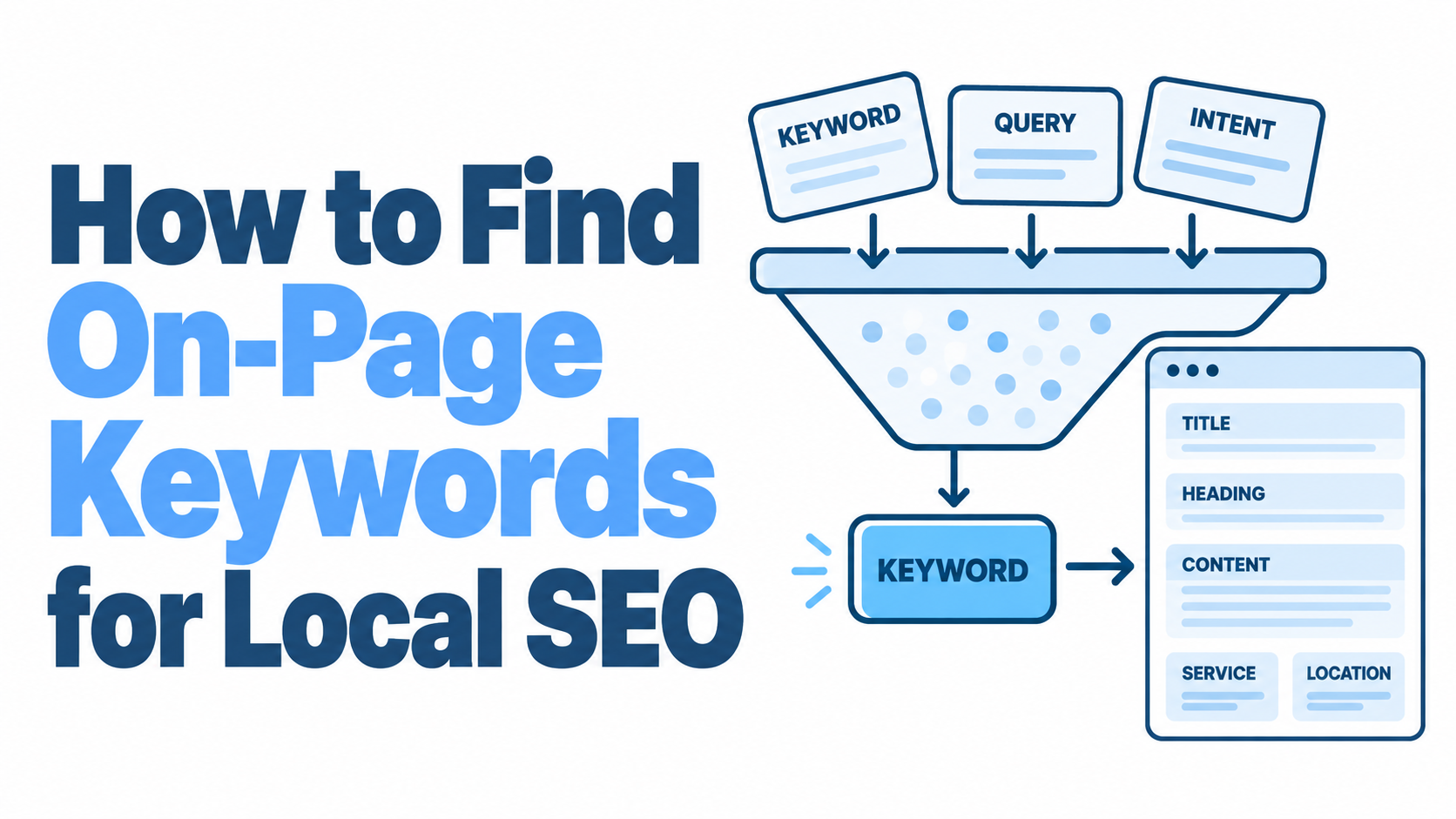
How to Find On-Page Keywords for Local SEO

Most local businesses already know they need to rank better in Google Maps and local search results. The real challenge is figuring out which keywords to target on their website pages and how to identify the terms that actual customers in their area are typing into Google. A plumber in

Read More
how to avoid over-optimising a page for local seo
Nick @ VisiLocali

How to Avoid Over-Optimising a Page for Local SEO

Local SEO is one of those areas where enthusiasm can quietly become your worst enemy. You spend hours filling every corner of your website with location names, service keywords, and geo-modifiers, convinced that more must mean better. Then your rankings stall, or worse, drop. The truth is that over-optimising a

Read More
how to diagnose a relevant page that is not rnking for local seo
Nick @ VisiLocali

How to Diagnose a Relevant Page That Is Not Ranking for Local SEO

You’ve built a solid page. It targets the right services, mentions the areas you cover, and sits on a well-structured website. Yet when someone in your town searches for exactly what you offer, your page is nowhere to be found in local results. This is one of the most frustrating

Read More
how to refresh existing pages for local seo
Nick @ VisiLocali

How to Refresh Existing Pages for Local SEO

Most local businesses treat their website like a set-and-forget brochure: build the pages once, maybe update the phone number if it changes, and hope for the best. But Google’s local algorithm rewards freshness, relevance, and accuracy. Pages that performed well two years ago can quietly slide out of the local

Read More
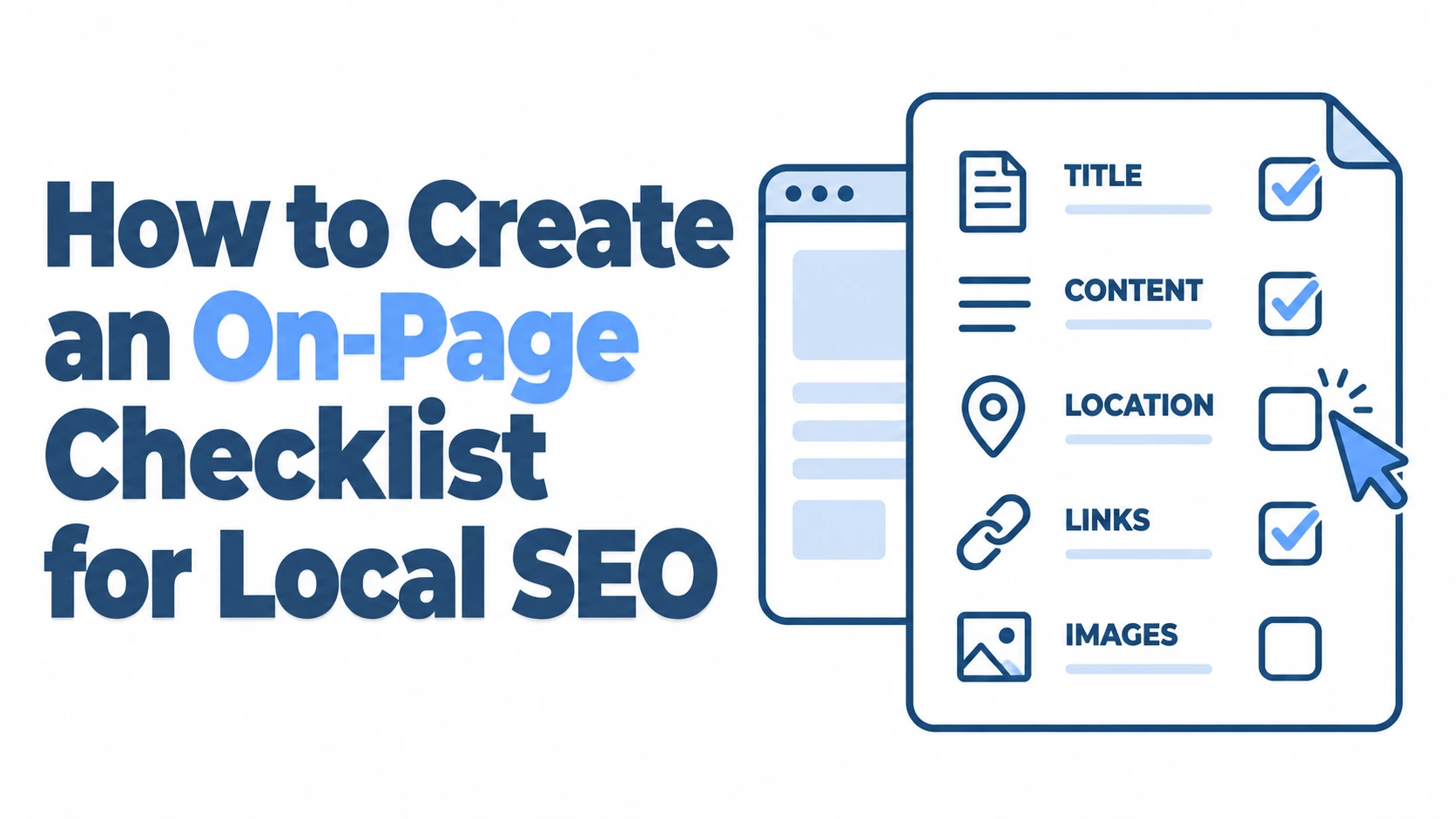
how to create an on-page checklist for local seo
Nick @ VisiLocali

How to Create an On-Page Checklist for Local SEO

Most local businesses already have a website and a Google Business Profile, yet they still struggle to show up when someone nearby searches for their services. The gap between “having a website” and “ranking locally” usually comes down to on-page details that are easy to overlook: a missing city name

Read More
Nick @ VisiLocali

How to Analyse Competitors’ On-Page Optimisation for Local SEO

Most local businesses know they should be paying attention to what their competitors are doing online, but few actually sit down and do it systematically. Analysing competitors’ on-page optimisation for local SEO isn’t about copying what someone else has done: it’s about understanding why certain businesses rank above yours in

Read More
how to measure on-page impact for local seo
Nick @ VisiLocali

How to Measure On-Page Impact for Local SEO

Most local businesses know they should be doing SEO, but far fewer can tell you whether their on-page efforts are actually working. You’ve updated your title tags, added location-specific content, maybe even built out a few service-area pages. But how do you know if any of it moved the needle?

Read More
how to prioritise on-page improvements for local seo
Nick @ VisiLocali

How to Prioritise On-Page Improvements for Local SEO

Most local businesses already have a website and a Google Business Profile. The hard part isn’t knowing that local SEO matters: it’s figuring out which on-page changes will actually move the needle. You could spend weeks rewriting meta descriptions, restructuring your site, and adding schema markup, but if you’re working

Read More
how to audit on-page optimisation for local seo
Nick @ VisiLocali

How to Audit On-Page Optimisation for Local SEO

Most local businesses treat their website like a digital brochure: set it up once, maybe update the phone number when it changes, and forget about it. But your website’s on-page elements send critical signals to Google about where you operate, what you do, and who you serve. If those signals

Read More
how to build an on-page strategy for local seo
Nick @ VisiLocali

How to Build an On-Page Strategy for Local SEO

Most local businesses already have a website and a Google Business Profile, yet they still struggle to appear when potential customers search for services nearby. The missing piece is often a structured on-page approach: one that connects what’s on your website to the specific locations and services you actually serve.

Read More

Before You Go — Have You Got the Basics Right on Your Google Business Profile?

Get our Free Google Business Profile Optimisation Checklist and systematically check the factors that can affect your visibility, clicks, calls and leads from Google Maps and AI.

We never spam or sell your data.